

-
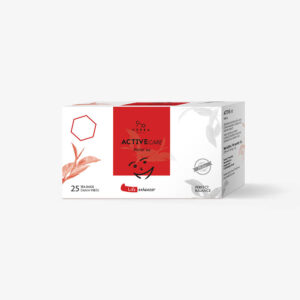 ACTIVECARE Tea | Vitality 25 bags
×
4,50 €1 × 4,50 €
ACTIVECARE Tea | Vitality 25 bags
×
4,50 €1 × 4,50 €


232
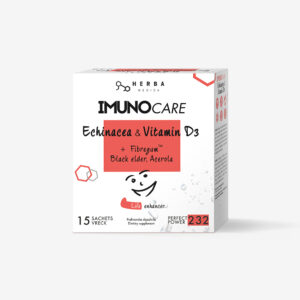
IMUNOCARE | American echinacea, vitamin D3, selenium, organic acerola DRINK 15 bags
17,70 €
Dietary supplement with three categories of ingredients:
- The 2 most commonly used traditional herbs for colds:
- American coneflower (Purple coneflower (L.) Moench)
- Black elderberry
- 2 essential vitamins for the immune system
- Vitamin D3 (400 IU)
- Vitamin C (from organic acerola))
- Selenium, a component of more than 100 selenoproteins.
to support the body during upper respiratory tract infections and colds.
We are a pharmaceutical company with rich experience in formulating and manufacturing of
teas and dietary supplements.
[tiered-pricing-table]
IMUNOCARE | American echinacea, vitamin D3, selenium, organic acerola DRINK 15 bags
SKU: 50762
Free shipping on all orders over €75
Delivery within 3-5 business days. Delivery and returns
Description
232 – IMMUNECARE a drink is a drink for:
- Supports the body during upper respiratory tract infections and colds (colds and flu).
232 – IMMUNECARE the drink is intended for:
- Adults who have caught a cold or the flu.
Due to the immunomodulatory effects of American ginseng, its use is not recommended for pregnant women and nursing mothers.
Packaged in bags:
- Provides protection against moisture, oxygen, and pathogens.
- For ingredients that require sufficient water intake for better absorption.
- It allows for the packaging of larger quantities of ingredients. For some ingredients, the recommended daily dose is too large to be packaged in a capsule with a small volume.
Developed and manufactured in Slovenia in production facilities with GMP, IFS, ISO9001, and BIO certifications.
Related products
-
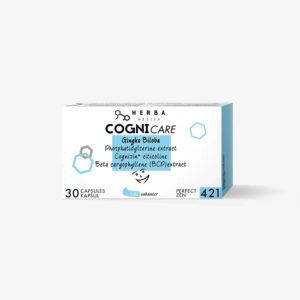
Supplements, Energy and Focus, Burnout and Stress, Cognition, Natural Supplements
COGNICARE
30,00 € -
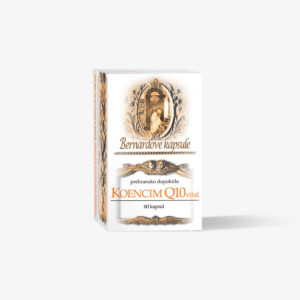
Anti-aging and antioxidants, Energy and focus, Burnout and stress, Cognition, Heart and blood vessels
Coenzyme | Q10 Vital, 60 capsules
21,50 € -
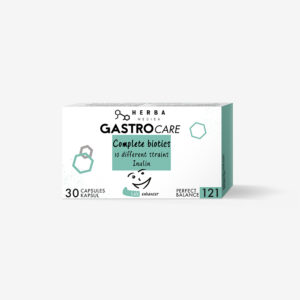
Supplements, Immune System and Resistance, Natural Supplements, Digestion and Stomach
GASTROCARE Complete Biotics | 10 strains + Inulin CAPSULES
15,70 €
Our products are also available in pharmacies, shops, and drugstores.






Active ingredients
Per 100 g
Daily dose
% PDV*
Vitamin C (from acerola extract)
1.76 g
80 mg
100 %
Vitamin D3 (cholecalciferol)
0.22 mg
10 μg (400 IU)
200 %
Selenium (from selenomethionine)
1.2 mg
55 μg
100 %
Extract of American coneflower (Echinacea purpurea L Moench)
6.6 g
300 mg
//
Black elderberry juice extract (Sambucus nigra)
4.4 g
200 mg
//
Ingredients
Ingredients: FibregumTM, strawberry, acerola extract, American echinacea extract (Purple coneflower), red beet concentrate, black elderberry juice extract (Black elderberry), acidity regulator: citric acid, anti-caking agent: tricalcium phosphate, blueberry flavor, vanilla flavor, selenomethionine, raspberry flavor, cholecalciferol, sweetener: sucralose.
Net quantity:
68.1 g (15 bags x 4.54 mg)
Nutritional
value
value
Per 100 g
Daily dose
% PDV*
Energy
1258 kJ / 284 kcal
57 kJ
0,7 %
Fats
0.2 g
0.01 g
0,0 %
Of which saturated
0.2 g
0.01 g
0,1 %
Carbohydrates
52.6 g
2.4 g
0,9 %
Of which sugars
14.1 g
0.6 g
0,7 %
Dietary fiber
33.1 g
1.5 g
5,0 %
Proteins
2.6 g
0.12 g
0,2 %
Salt
0.2 g
0.01 g
0,2 %
Warning
The recommended daily intake should not be exceeded.
Food supplements are not a substitute for a balanced and varied diet and a healthy lifestyle.
Store out of reach of children, in a dry place at room temperature in the original packaging.
Instructions for use
Shake the contents of the bag once a day. in a dry glass and add 150 ml of water or our tea. Stir well to dissolve the drink and drink it immediately.
Related products
-
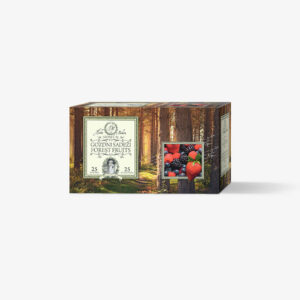
Calming, Fruit tea
Forest fruits tea | 25 bags
1,95 € -
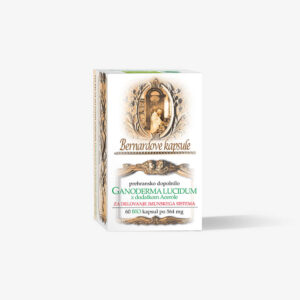
Anti-aging and antioxidants, Energy and focus, Immune system and resistance
BIO Ganoderma lucidum with acerola 60 capsules
25,50 € -
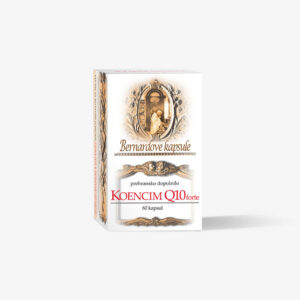
Anti-aging and antioxidants, Energy and focus, Burnout and stress, Heart and blood vessels
Coenzyme | Q10 Forte 60 capsules
24,50 €
Our products are also available in pharmacies, shops, and drugstores.
The common cold is an infection of the upper respiratory tract, including rhinoviruses and influenza, and is one of the most common infections in healthy people. This is where it gets its name.
The problem with colds is what is known as a cytokine storm. When a virus develops in the body, the body attacks it with immune cells called cytokines. These cytokines cause fever and general inflammation throughout the body. Acute, short-term inflammation is a healthy immune response, as certain cytokines cause the permeability of blood vessels and other tissues, allowing immune cells to reach the virus and destroy it. When we catch a common cold, we develop a fever and increased mucus secretion in the nose and throat.
There is currently no cure for the common cold, but people can get vaccinated to teach their adaptable immune system to recognize and attack these viruses. However, there are more than 200 known viruses that cause the common cold, and the immunity gained is not long-lasting. The best prevention is a healthy diet, exercise, good sleep, a stress-free life, and herbs and supplements.
Echinacea, traditionally the most commonly used herb for the common cold
Traditionally, the most commonly used herb for the common cold is Echinacea purpurea, or American coneflower, which is a source of many polysaccharides. It is a sacred herb of the Native Americans, indigenous to North America, who used it for colds, wound healing, and various rituals. At the beginning of the 20th century, it was brought to Europe, where it became the most commonly used herb for colds, especially in Germany.
Based on numerous clinical studies, the World Health Organization, the European Medical Agency (EMA), and the European Food Safety Authority (EFSA) approve the use of echinacea to relieve and shorten the symptoms of the common cold and upper respiratory tract infections.
Systematic review of studies, in vitro, in vivo and clinical trials in 2021 showed that American echinacea could mitigate cytokine storms in colds.
Black elderberry, the most commonly used herb for colds in traditional European medicine
Our grandmothers used black elderberry to treat colds. It is one of the longest-used herbs for colds in traditional European medicine. Like organic acerola, it contains anthocyanins and other flavonoids. Based on traditional use, the European Medicines Agency (EMA) authorizes the use of black elderberry to relieve early symptoms of the common cold.
Organic acerola: a source of natural vitamin C
Acerola or Malpighia glabra is also called a superfruit because it is a source of flavonoids and natural vitamin C. Vitamin C promotes the removal of oxidants and can stimulate phagocytosis, i.e., the destruction of pathogenic cells, and contributes to the normal functioning of the immune system. In general, vitamin C deficiency causes weakened immunity and increased susceptibility to infections.
Vitamin D3, the basis for immune cell function
Vitamin D3 contributes to the functioning of the immune system, as all immune system cells have vitamin D receptors.
Selenium, an antioxidant that participates in the immune response
Selenium is an antioxidant in the intercellular space that also modulates inflammation, specifically in the digestive tract, where approximately 80% of immune cells are located. Selenium is also a basic component of more than 100 selenoproteins that participate in the immune response.
ImunoCare drink contains selenomethionine, which has the best absorption rate among all forms of selenium.
FibregumTM, source of long fibers from acacia
More than 80% of immune cells are located in the intestines, which is why we have added long-chain fiber from acacia.
Related products
-
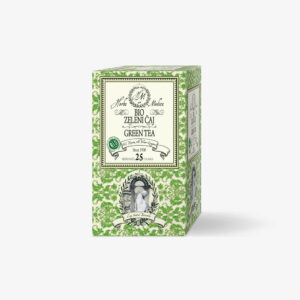
Anti-aging and antioxidants, Organic, Organic certification, Energy and focus, Herbal tea
Organic Green Tea | 25 bags
2,80 € -
Supplements, Energy and Focus, Burnout and Stress, Cognition, Natural Supplements
COGNICARE
30,00 € -
Supplements, Immune System and Resistance, Natural Supplements, Digestion and Stomach
GASTROCARE Complete Biotics | 10 strains + Inulin CAPSULES
15,70 €
Our products are also available in pharmacies, shops, and drugstores.


Frequently asked questions
How should I take ImmunoCare Nucleotides capsules and ImmunoCare Echinacea + Vitamin D3 drink for optimal results?
For optimal immune system support, take two ImmunoCare Nucleotides (222) capsules daily, one in the morning and one in the evening, with a glass of water. For ImmunoCare Echinacea + Vitamin D3 Drink (232), dissolve one sachet in water every day, preferably during the colder months or when you need extra immune support.
What ingredients are contained in ImmunoCare Nucleotides capsules and ImmunoCare Echinacea + Vitamin D3 drink?
ImmunoCare Nucleotides Capsules contain yeast from DNA/RNA nucleotides, vitamin C, and zinc, which help strengthen the immune system and support rapid immune cell division. ImmunoCare Echinacea + Vitamin D3 Drink contains Echinacea purpurea, American elderberry flowers (Sambucus nigra), organic acerola (vitamin C), selenium, and vitamin D3, which provide immunomodulation, respiratory tract defense, and protection against oxidative stress.
How long does one package of ImmunoCare last?
Each package of ImmunoCare Nucleotides Capsules (222) is sufficient for 30 days of regular use. One package of ImmunoCare Echinacea + Vitamin D3 Drink (232) provides 30 servings, which is sufficient for a whole month of use and regular immune support.
Is ImmunoCare suitable for people with dietary restrictions?
Yes, both ImmunoCare Nucleotides Capsules and ImmunoCare Echinacea + Vitamin D3 Drink are gluten-free, lactose-free, and contain no artificial additives. This product is suitable for people with dietary restrictions or anyone looking for natural immune support.
Are there any contraindications for using ImmunoCare products?
ImmunoCare products are generally safe for most individuals. However, pregnant women, nursing mothers, and individuals under the age of 18 should consult a healthcare professional before use. If you are taking other immune supplements or supplements containing Echinacea, consult a professional to avoid any potential overlapping ingredients.
How do ImmunoCare Nucleotides capsules support my immune system?
ImmunoCare Nucleotides Capsules contain nucleotides, which are essential for rapid division and signaling of immune cells. This aids immune resistance and faster recovery, reducing the duration of infections and promoting long-term immune system readiness.
How quickly will I see results with ImmunoCare?
Many users notice an improvement in immune function, reduced fatigue, and faster recovery within 1-2 weeks of regular use. ImmunoCare Echinacea + Vitamin D3 Drink can offer faster relief from respiratory infections during the colder months.
Does ImmunoCare Echinacea + Vitamin D3 Drink help prevent seasonal colds and flu?
Yes, ImmunoCare Echinacea + Vitamin D3 Drink helps modulate the immune system and strengthen the respiratory tract's defenses during colds and flu. The combination of Echinacea, Vitamin D3, and Selenium helps reduce the severity and duration of upper respiratory tract infections.
Is ImmunoCare Tea suitable for daily use?
Yes, ImmunoCare Tea (212) is designed for daily use as part of your immune system maintenance routine. The blend of wild rose, linden blossom, and thyme provides immune support and calming effects, making it ideal for the cold season.
Can I combine ImmunoCare products with other supplements or medications?
Yes, ImmunoCare products can generally be combined with other immune system supplements such as vitamin C, magnesium, or probiotics. If you are taking prescription medications or other herbal supplements, we recommend consulting with a healthcare professional to ensure compatibility.
Related Products


Scientific literature
[1] PAPPAS, D. E., The Common Cold, Principles and Practice of Pediatric Infectious Diseases, Vol. 2018. Immunity and Immune Care in Respiratory Infections and Colds
[2] FOSTER, S., Echinacea: Nature’s Immune Enhancer, Healing Arts Press, Rochester, USA, 1991. ECHINACEA: IMMUNE ENHANCER AND CONSERVATION IN MISSOURI
[3] EMA, Committee on Herbal Medicinal Products (HMPC), Assessment Report on Echinacea purpurea (L.) Moench., Herba Recens, EMA/HMPC/557979/2013, 24 November 2024, p. 71. Immunocare and Medicinal Uses of Purple Coneflower Herb
[4] EFSA, Botanical Claims on Hold, ID2366, European Food Safety Authority, 2024. The role of immunocare and nutrients in weight control and psychological function
[5] AUCOIN, M., CARDOZO, V., MCLAREN, M. D., GARBER, A., REMY, D., BAKER, J., GRATTON, A., KALA, M. A., MONTEIRO, S., WARDER, C., PERCIBALLI, A., COOLEY, K., A Systematic Review on the Effects of Echinacea Supplementation on Cytokine Levels: Is There a Role in COVID-19?, Metabolism Open, Vol. 2021. The Role of Echinacea in Cytokine Storm and COVID-19
[6] TORABIAN, G., et al., Anti-Influenza Activity of Elderberry (Sambucus nigra), Journal of Functional Foods, Vol. 54 (2019), pp. 353–360. Antiviral and immunomodulatory effects of elderberry against influenza
[7] EMA, Committee on Herbal Medicinal Products (HMPC), Committee on Herbal Medicinal Products (HMPC), Final Assessment report on Sambucus nigra L., flos, EMA/HMPC/611504/2016, March 20, 2018, p. 16.
[8] CARR, A. C., MAGGINI, S., Vitamin C and Immune Function, Nutrients, Vol. 9, Issue 11 (2017). VITAMIN C: MICRONUTRIENT IN IMMUNITY AND CELLULAR REGULATION
[9] EFSA, Botanical Claims on Hold, ID 154, European Food Safety Authority (EFSA), 2024. Scientific Basis for Health Claims and Consumer Protection
[10] HART, P.H., GORMAN, S., FINLAY-JONES, J.J., Modulation of the Immune System by UV Radiation: More Than Just the Effects of Vitamin D?, Nature Reviews Immunology, Vol. 11, Issue 9 (2011), pp. 584–596. UV radiation and vitamin D: immune modulation in diseases
[11] Health claims authorized by the European Food Safety Authority (EFSA), ID277, ID 278.
[12] HOFFMANN, P. R., BERRY, M. J., The Influence of Selenium on Immune Responses, Molecular Nutrition & Food Research, Vol. 52, Issue 11 (2008). Selenium and selenoproteins in immune responses and oxidative stress
[13] FAIRWEATHER-TAIT, S. J., COLLINGS, R., HURST, R., Selenium Bioavailability: Current Knowledge and Future Research Requirements, The American Journal of Clinical Nutrition, Vol. 91, Issue 5 (2010). Challenges in selenium bioavailability assessment and research needs
[15] WIERTSEMA, S. P., VAN BERGENHENEGOUWEN, J., GARSSEN, J., KNIPPELS, L. M. J., The Interplay Between the Gut Microbiome and the Immune System in the Context of Infectious Diseases Throughout Life and the Role of Nutrition in Optimizing Treatment Strategies, Nutrients, Vol. 13, Issue 3 (2021). Gut microbiome, nutrition, and immune response in infectious diseases
Our products are also available in pharmacies, shops, and drugstores.
We are a pharmaceutical company with rich experience in formulating and manufacturing of teas and dietary supplements.
We are a pharmaceutical company with rich experience in formulating and manufacturing of teas and dietary supplements.
Knowledge is power Sign up to our newsletter
Quick links
Contact
Herba Medica, LLC
Preserska Road 5,
SI-1235 Radomlje
info@herba-medica.si
+386 (1) 562 06 03

Herba Medica is a high-tech company
for the development of teas and dietary supplements.
for the development of teas and dietary supplements.
Herba Medica is a high-tech company
for the development of teas and dietary supplements.
for the development of teas and dietary supplements.
Quick links
Contact
Herba Medica, LLC
Preserska Road 5,
SI- 1235 Radomlje
info@herba-medica.si
+386 (1) 562 06 03
Knowledge is power
Sign up to our newsletter
Herba Medica © 2024 All rights reserved | Powered by OneAboveAI
 Slovenian
  English
  French
  Bosnian
  Dutch
Dutch