



-
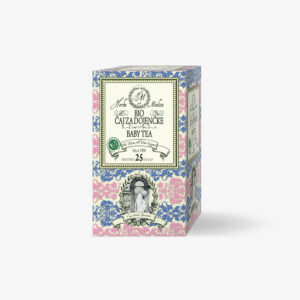 ORGANIC TEA | For babies, 25 bags
×
2,80 €1 × 2,80 €
ORGANIC TEA | For babies, 25 bags
×
2,80 €1 × 2,80 €


131
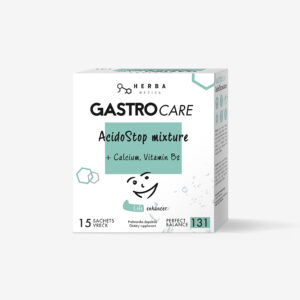
GASTROCARE | AcidoStop mix 2 antacids Inulin Epsom salt Vitamin B2 DRINK 15 bags
9,70 €
Dietary supplement with three categories of ingredients:
- 2 antacids (calcium carbonate and baking soda)**
- Epsom salt and Vitamin B2 (for mucous membranes)*
- Inulin, long soluble fibers from chicory (so-called prebiotics)**
to support acid neutralization and food transport.**
We are a pharmaceutical company with rich experience in formulating and manufacturing of
teas and dietary supplements.
[tiered-pricing-table]
GASTROCARE | AcidoStop mix 2 antacids Inulin Epsom salt Vitamin B2 DRINK 15 bags
SKU: 50765
Free shipping on all orders over €75
Delivery within 3-5 business days. Delivery and returns
Description
131 – GASTROCARE The drink is a drink for:
- Fast and short-term relief from stomach acid.
- Support for food transport and aid in digestion.
131 – GASTROCARE The drink is intended for:
- For people who need occasional help to relieve problems caused by excess stomach acid.
- After heavy meals.
- Pregnant women with excess stomach acid.
Packaged in bags:
- Provides protection against moisture, oxygen, and pathogens.
- For ingredients that require sufficient water intake for better absorption and effectiveness (e.g., antacids).
- It allows for the packaging of larger quantities of ingredients. For some ingredients, the recommended daily dose is too large to be packaged in a capsule, which has a relatively small volume (approx. 500-1000 mg).
Developed and manufactured in Slovenia in production facilities with GMP, IFS, ISO9001, and BIO certifications.
Related products
-
Diabetes and metabolic problems, Supplements, Natural supplements
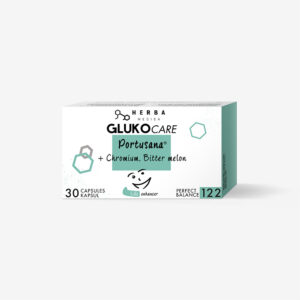
GLUKOCARE | Portusana® Bitter Melon Chromium CAPSULES
14,70 € -
Supplements, Immune System and Resistance, Natural Supplements
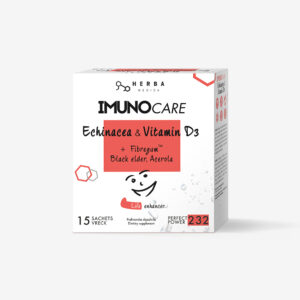
IMUNOCARE | American echinacea, vitamin D3, selenium, organic acerola DRINK 15 bags
17,70 € -

Burnout and stress, Calming down
Complete B Complex | 60 capsules
13,50 €
Our products are also available in pharmacies, shops, and drugstores.






Active ingredients
Per 100 g
Daily dose
% PDV*
Calcium (from calcium carbonate)
6.1 g
244 mg
30 %
Vitamin B2 (riboflavin)
7.5 mg
0.3 mg
20 %
Magnesium (from Epsom salt)
205 mg
8.2 mg
2 %
*RDA - Recommended Daily Allowance of vitamins and minerals (for adults)
Ingredients
Ingredients: Inulin, sodium hydrogen carbonate, calcium carbonate, lemon, natural lemon flavor, lime, anti-caking agent: tricalcium phosphate, acidity regulator: citric acid, magnesium sulfate heptahydrate, and riboflavin.
Net quantity:
60.0 g (15 sachets x 4.0 mg)
Nutritional
value
value
Per 100 g
Daily dose
% PDV*
Energy
643 kJ / 156 kcal
26 kJ / 6 kcal
0,3 %
Fats
0.1 g
0.004 g
0,0 %
Of which saturated
0.1 g
0.004 g
0,0 %
Carbohydrates
22.1 g
0.9 g
0,3 %
Of which sugars
5.1 g
0.2 g
0,2 %
Dietary fiber
22.5 g
0.9 g
0,3 %
Proteins
0.2 g
0.01 g
0,1 %
Salt
6.8 g
0.3 g
4,5 %
Warning
The recommended daily intake should not be exceeded.
Food supplements are not a substitute for a balanced and varied diet and a healthy lifestyle.
Store out of reach of children, in a dry place at room temperature in the original packaging.
Instructions for use
When you have heartburn, shake the contents of the bag once a day. in a dry glass and add 150 ml of water or our tea. Stir well to dissolve the drink and drink it immediately.
Related products
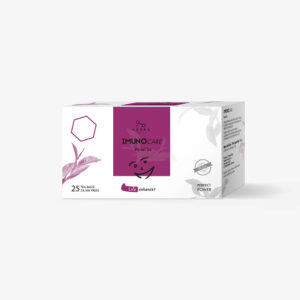
Our products are also available in pharmacies, shops, and drugstores.
In 2019, there were 783.95 million people with GERD (gastroesophageal reflux disease) worldwide. It is increasingly common and linked to the unhealthy lifestyle of modern life. For example, between 1990 and 2019, the total number of cases increased by almost 80 %.
While probiotics (live bacteria beneficial to humans) are used for problems in the lower intestine, antacids are traditionally used for problems in the upper digestive tract, i.e., the throat, esophagus, and stomach. Most problems in the upper digestive system are related to stomach acid and its regulation:
- Heartburn, or occasional increased stomach acid.
- Reflux, or the occasional backflow of stomach acid into the throat and mouth.
- Regurgitation, or the rising of food from the stomach back into the throat and mouth.
- GERD (gastroesophageal reflux disease), a chronic problem of increased stomach acid and related complications.
Increased stomach acid can cause dyspepsia...
Acid can interfere with stomach peptides, the enzymes that break down food. This in turn can lead to dyspepsia, an imbalance of these enzymes.
...and disturbances in peristalsis and bowel cleansing/flushing
Since acid can also interfere with the functioning of the lower intestines, it is also necessary to consider:
- On intestinal motility or movement (peristalsis),
- Mechanisms of bowel cleansing/flushing (how food travels through the bowel: if the mechanism is too slow, acid rises into the esophagus), and
The balance of bacteria in the gut (a matter of pre-, pro- and post-biotics).
Before reaching for probiotics, prebiotics, postbiotics, and synbiotics, it is necessary to consider whether the main cause is increased stomach acid.
131 – GASTROCare The drink is a carefully considered blend of antacids, vitamins, and long-chain fiber to help provide short-term relief from stomach acid.
It contains two antacids and ingredients that may help reduce reflux.
Calcium carbonate and baking soda: the two most well-known traditional antacids
Calcium carbonate and baking soda have been used for over a hundred years as antacids, i.e., substances for the instant neutralization of stomach acid. Stomach acid is hydrochloric acid (HCl), which reacts with certain electrolytes.
CaCO3 + 2HCl -> CaCl2 + H₂O + CO2
HCl + NaHCO3 -> NaCl + H2O + CO2
How can reflux be prevented or reduced after acid neutralization?
Baking soda can instantly neutralize acid, but this can cause increased production of stomach acid. This can lead to reflux, which is why taking baking soda alone is not recommended. Three ingredients in GastroCare 131 drink serve to reduce such reflux.
Calcium carbonate is a source of calcium, which contributes to the normal functioning of digestive enzymes.
Calcium triggers the action of certain digestive enzymes, such as lipases. Lipases break down fats in the body from the food we eat.
Vitamin B2 contributes to the maintenance of healthy mucous membranes**
Vitamin B2 deficiency leads to damage to the mucous membranes in the body. Thus, the European regulator EFSA allows the health claim that vitamin B2 supplementation helps to maintain healthy mucous membranes.**
Epsom salt is a source of magnesium, which aids in the transport of food through the intestines.
Epsom salt, or magnesium sulphate heptahydrate, is a source of electrolytes and specifically magnesium that has been used externally as a body purgative and internally to aid peristalsis for over a hundred years. Peristalsis is the movement of the intestines that pushes ingested food further down the digestive tract. Magnesium in the intestine causes the intestinal walls to moisten through osmosis, which helps the food to move further down the intestine. The amount of magnesium in GastroCare does not cause diarrhoea, but serves to moisten the intestine for better food motility. Thus, acid and neutralised acid would pass further down the digestive tract, which could reduce reflux.
* Health claim authorized by the European Food Safety Authority (EFSA), ID355
** Health claim authorized by the European Food Safety Authority (EFSA), ID31
Related products
-
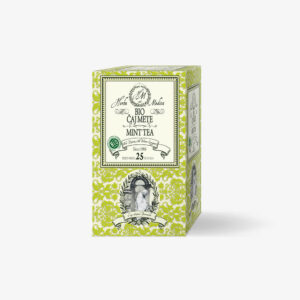
Organic, Organic certification, Energy and focus, Calming, Herbal tea
Organic Tea | Mint with Lemongrass, 25 bags
2,80 € -

Anti-aging and antioxidants, Energy and focus, Burnout and stress, Cognition, Heart and blood vessels
Coenzyme | Q10 Vital, 60 capsules
21,50 € -
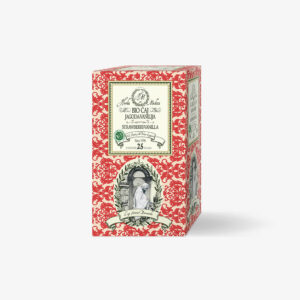
Organic, Energy and Focus, Fruit Tea
Organic Tea | Strawberry Vanilla, 25 bags
3,00 €
Our products are also available in pharmacies, shops, and drugstores.


Frequently asked questions
What is GASTROCARE and how does it relieve heartburn?
GASTROCARE, with AcidoStop, quickly relieves heartburn by neutralising stomach acid with antacids such as calcium carbonate and baking powder. It also supports digestion with magnesium and vitamin B2.
How does GASTROCARE support digestive health with AcidoStop?
GASTROCARE and AcidoStop help improve food transport through the gut by neutralising acid and supporting digestion with magnesium and inulin, reducing reflux and promoting smooth digestion.
Is GASTROCARE effective for reflux or GERD?
Yes, GASTROCARE neutralises stomach acid and protects the mucous membranes, providing relief from reflux and GERD symptoms.
Can pregnant women use GASTROCARE?
Yes, GASTROCARE is safe for pregnant women suffering from heartburn as it offers gentle natural relief without side effects.
How should I use GASTROCARE for best results?
Dissolve one sachet of GASTROCARE in 150 ml of water or tea and drink immediately for quick relief of heartburn or reflux.
Related Products


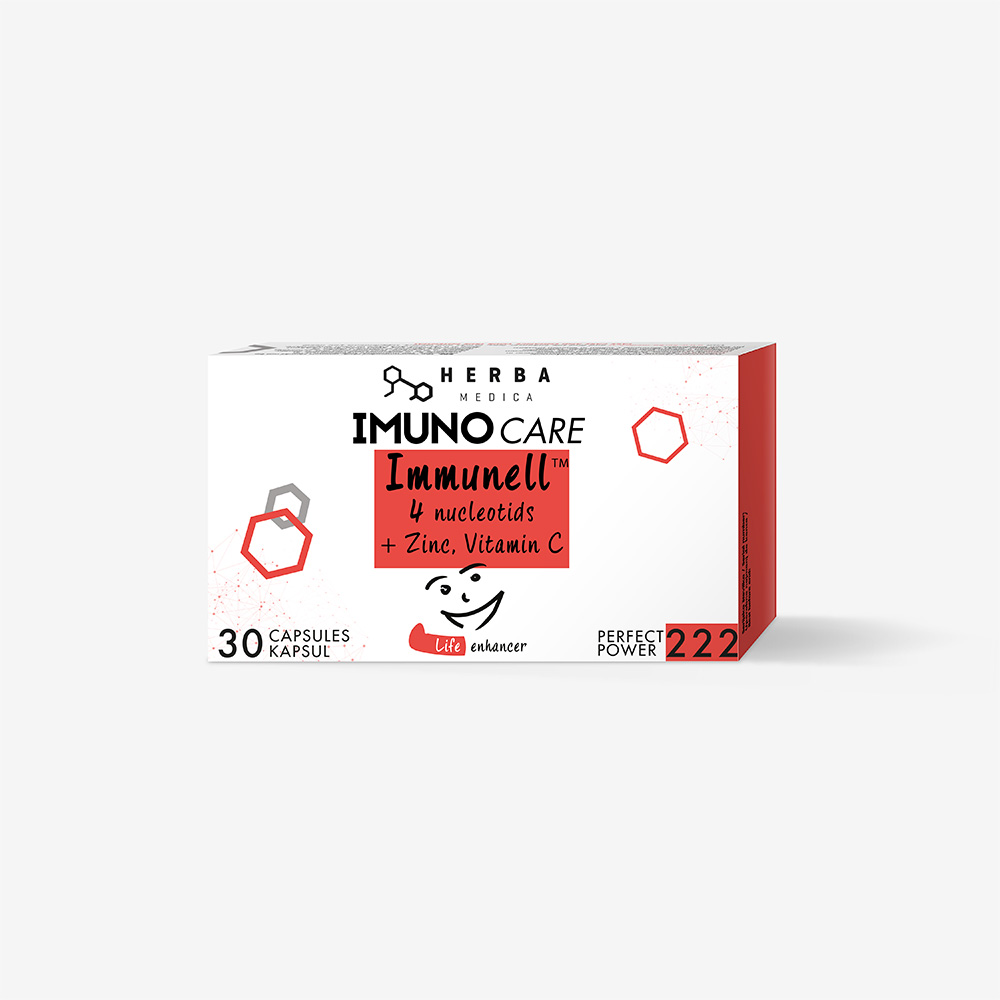

Scientific literature
[1] ZHANG, D., LIU, S., LI, Z., WANG, R., Global, Regional and National Burden of Gastroesophageal Reflux Disease, 1990–2019: Update from the GBD 2019 Study, Annals of Medicine, Vol. 54, Issue 1 (2022), pp. 1372–1384. Global Trends in GERD Prevalence and Disease Burden
[2] CHENG, J., OUWEHAND, A. C., Gastroesophageal Reflux Disease and Probiotics: A Systematic Review, Nutrients, Vol. 12, Issue 1 (2020), p. 132. Probiotic Approaches for Heartburn and Regurgitation in GERD
[3] EFSA, Panel on Dietetic Products, Nutrition and Allergies, Scientific Opinion on the Substantiation of Health Claims Related to Calcium and Normal Function of Digestive Enzymes (ID 355), EFSA Journal, Vol. 7, Issue 9 (2009), p. 8. Physiological Functions of Calcium: EFSA Scientific Assessment
[4] EFSA, Panel on Dietetic Products, Nutrition and Allergies, Scientific Opinion on the Substantiation of Health Claims Related to Riboflavin (Vitamin B2) and Contribution to the Maintenance of Normal Skin and Mucous Membranes (ID 31, 33), EFSA Journal, Vol. 8, Issue 10 (2010), p. 2. EFSA Assessment of Riboflavin’s Roles in Metabolism and Tissue Health
[5] WHITWORTH, G., Using Epsom Salt to Relieve Constipation, Healthline, March 31 (2023). Epsom Salt as a Magnesium-Based Laxative for Constipation Relief
[6] IZZO, A. A., GAGINELLA, T. S., CAPASSO, F., The Osmotic and Intrinsic Mechanisms of the Pharmacological Laxative Action of Oral High Doses of Magnesium Sulphate, Magnesium Research, Vol. 9, Issue 2 (1996), pp. 133–138. Pharmacological Basis of Magnesium-Induced Osmotic Laxation
Our products are also available in pharmacies, shops, and drugstores.
We are a pharmaceutical company with rich experience in formulating and manufacturing of teas and dietary supplements.
We are a pharmaceutical company with rich experience in formulating and manufacturing of teas and dietary supplements.
Knowledge is power Sign up to our newsletter
Quick links
Contact
Herba Medica, LLC
Preserska Road 5,
SI-1235 Radomlje
info@herba-medica.si
+386 (1) 562 06 03

Herba Medica is a high-tech company
for the development of teas and dietary supplements.
for the development of teas and dietary supplements.
Herba Medica is a high-tech company
for the development of teas and dietary supplements.
for the development of teas and dietary supplements.
Quick links
Contact
Herba Medica, LLC
Preserska Road 5,
SI- 1235 Radomlje
info@herba-medica.si
+386 (1) 562 06 03
Knowledge is power
Sign up to our newsletter
Herba Medica © 2024 All rights reserved | Powered by OneAboveAI

 Slovenian
  English
  French
  Bosnian
  Dutch
Dutch