


-
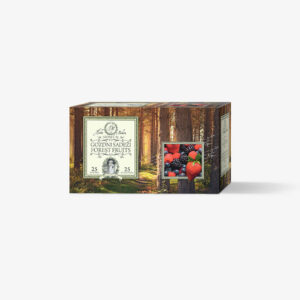 Forest fruits tea | 25 bags
×
3,70 €2 × 1,85 €
Forest fruits tea | 25 bags
×
3,70 €2 × 1,85 €

222
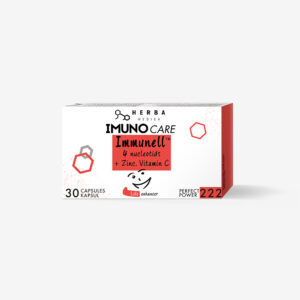
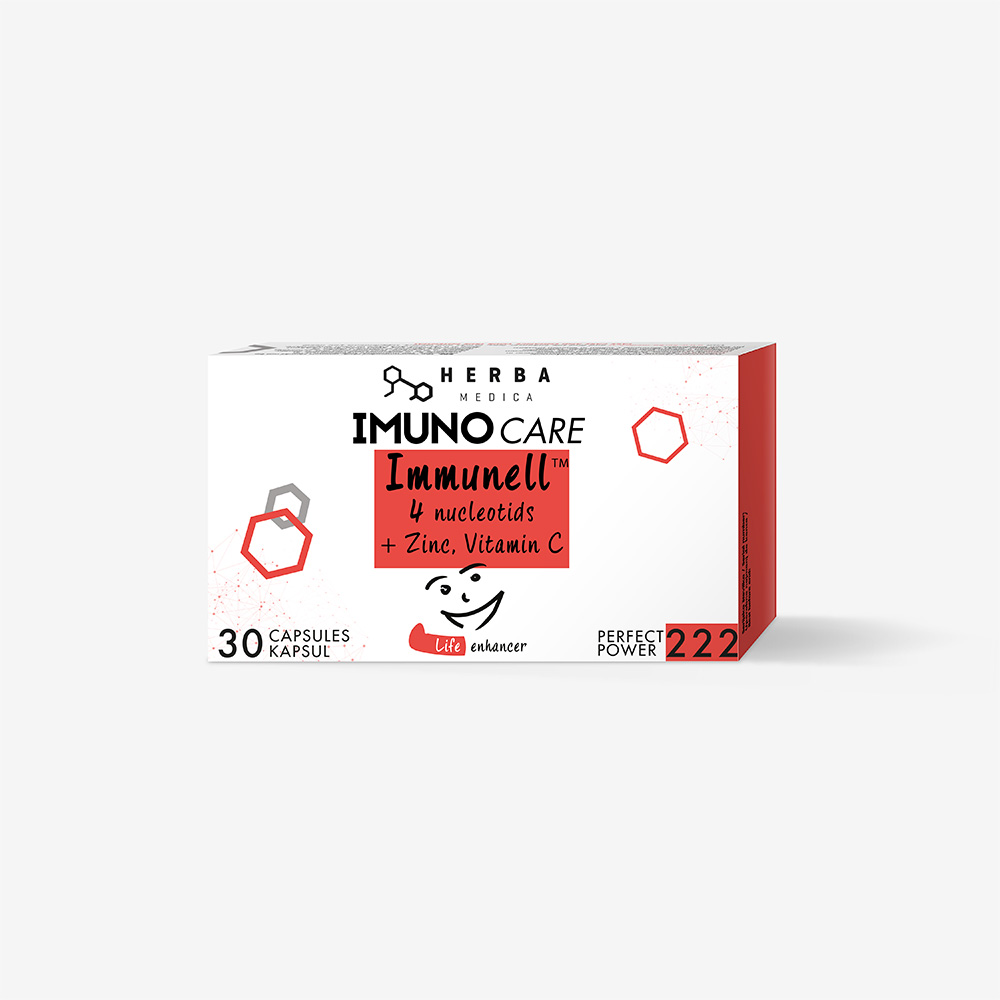
IMUNOCARE | Nucleotides + Zinc + Vitamin C CAPSULES
14,50 €
Dietary supplement with a combination of ingredients:
- Immunell™: 4 nucleotides, building blocks of immune cells, antibodies, and signaling molecules
- Zinc: plays a role in the functioning of the immune system and in cell division
- Vitamin C: antioxidant that plays a role in the functioning of the immune system
to support the immune system.
We are a pharmaceutical company with rich experience in formulating and manufacturing of
teas and dietary supplements.
[tiered-pricing-table]
IMUNOCARE | Nucleotides + Zinc + Vitamin C CAPSULES
SKU: 50758
Free shipping on all orders over €75
Delivery within 3-5 business days. Delivery and returns
Description
When a pathogen enters the body, the immune system begins to produce immune signaling cells (interleukins), antibodies (immunoglobulins), and immune cells that attack the pathogen. To do this, the immune system needs the building blocks of these molecules and help with cell division so that immune cells can multiply and defeat the pathogen.
222 – IMMUNECARE capsules:
- The first so-called postbiotic in Slovenia since 2020.
- A source of building blocks that both the innate and acquired immune systems can use for optimal functioning.
- Nucleotides are the building blocks of RNA in mitochondria, antibodies (immunoglobulins), and immune signaling cells.
- Nucleotides are found in colostrum and breast milk, but the nucleotides in ImunoCare capsules are vegan.
- Zinc is involved in the construction of RNA and DNA, cell division, and the immune system.* During an immune response to a pathogen, the body begins to produce immune signaling molecules and antibodies.
- Zinc is involved in the construction of proteins, including signaling molecules and antibodies.
- Vitamin C is an antioxidant that contributes to the normal functioning of the immune system.***
222 – IMMUNECARE The capsules are intended for:
- People with weakened immune systems.
- To help the immune system function normally throughout autumn and winter.
- To support the immune system in its normal functioning during bacterial and viral infections.
Packaged in vegan/cellulose capsules (HPMC):
- Excellent protection of nucleotides and vitamin C against degradation and contamination.
Packaged in blister packs:
- Excellent protection against contamination.
- Improved durability of capsules and ingredients (protection against moisture and oxygen).
Developed and manufactured in Slovenia in production facilities with GMP, IFS, ISO9001, and BIO certifications.
* Health claims ID292 and ID293 approved by the European Food Safety Authority (EFSA).
** Health claim ID293 authorized by the European Food Safety Authority (EFSA).
*** Health claims ID138, ID143, ID148, ID3331 approved by the European Food Safety Authority (EFSA).
Related products
-
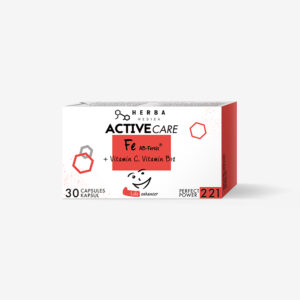
Supplements, Energy and focus, Burnout and stress, Natural supplements, Pregnancy, Heart and blood vessels
ACTIVECARE | Iron AB-Fortis® + Vitamins C B9 B12 CAPSULES
14,69 € -
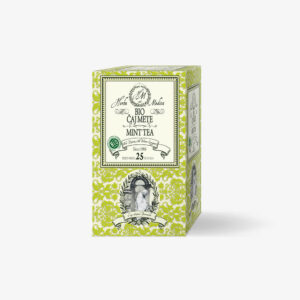
Organic, Organic certification, Energy and focus, Calming, Herbal tea
Organic Tea | Mint with Lemongrass, 25 bags
2,80 € -
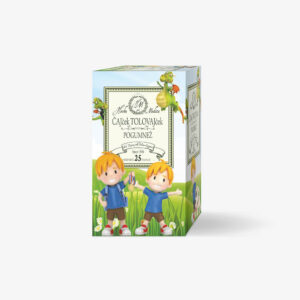
Energy and focus, Children's, For children, Herbal tea
Tea Thief | Braveheart 25 bags
2,65 €
Our products are also available in pharmacies, shops, and drugstores.






Active ingredients
Per 100 g
Daily dose
% PDV*
Vitamin C
//
12.0 mg
15 %
Zinc (from zinc gluconate)
//
5.0 mg
50 %
ImmunellTM nucleotides (adenine, cytosine, guanine, and uracil)
//
250 mg
//
Ingredients
Ingredients: Immunell™ (adenine, cytosine, guanine, and uracil), zinc gluconate, anti-caking agents: magnesium stearate and talc, ascorbic acid, capsule: hydroxypropyl methylcellulose (HPMC).
Net quantity: 12.2 g (30 capsules x 406 mg)
Warning
The recommended daily intake should not be exceeded.
Food supplements are not a substitute for a balanced and varied diet and a healthy lifestyle.
Store out of reach of children, in a dry place at room temperature in the original packaging.
Instructions for use
Take 1 capsule once a day one hour before a meal with 150 ml of water or our tea.
Related products
-

Supplements, Energy and focus, Burnout and stress, Natural supplements, Calming
STRESSCARE | Magnesium + B complex DRINK, 15 sachets
15,00 € -
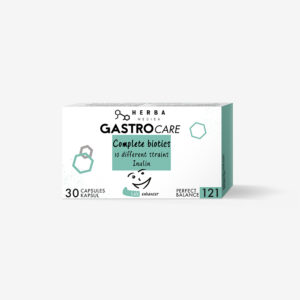
Supplements, Immune System and Resistance, Natural Supplements, Digestion and Stomach
GASTROCARE Complete Biotics | 10 strains + Inulin CAPSULES
15,70 € -
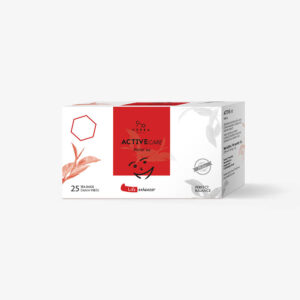
Anti-aging and antioxidants, Natural supplements, Heart and blood vessels, Herbal tea
ACTIVECARE Tea | Vitality 25 bags
4,50 €
Our products are also available in pharmacies, shops, and drugstores.
The connection between the immune system, the gut, and the brain
80% of the human body's immune cells are located in the gut, which is why the immune system and the digestive tract are closely linked. In addition, the gut is directly connected to the brain via the vagus nerve. Poor immunity and poor gut health are therefore possible causes of brain fog. Scientists have recently discovered that the gut is responsible for brain fog in long COVID, as it becomes permeable due to constant attacks by the COVID virus.
Along with the skin, the intestines and immune system are our main defenders, constantly adapting to the environment and fighting against foreign bodies and pathogens.
What is an immune response?
Innate immune system It triggers a general response to the pathogen, i.e., it does not require prior contact with the pathogen. It immediately begins to produce macrophages and sends them to the site of invasion.
Adaptable immune system it must first come into contact with the pathogen in order to then produce cells or antibodies that destroy the pathogen. Thus sIt adapts to the pathogen and the body gains immunity to that pathogen. Once the adaptive immune system "understands" the pathogen, it basically remembers it. The next time it encounters it, the response can be faster and more effective.
In both cases, when a foreign body or pathogen invades, the body's immune system responds by producing a huge number of new immune cells.
The intestines and immune system are parts of the human body where cells change most rapidly due to constant defense against pathogens. All intestinal cells are replaced within 5 days!
So why does the body need nucleotides for immune response?
When the body produces new cells, it needs building blocks for new DNA in the cell nucleus and building blocks for new RNA in the mitochondria, which produce energy for the cell.
DNA and RNA are composed of nucleotides. De novo Nucleotide synthesis, i.e., the production of nucleotides from basic amino acids, is very energy-intensive for the body. Therefore, the body uses nucleotides from dead cells or from food.
Nucleotides are also the building blocks of immune signaling cells and antibodies, known as immunoglobulins, which are produced by the adaptive immune system.
Nucleotides could also be useful in recovery after sports, in cases of leaky gut and irritable bowel syndrome, as it is well known that nucleotides from colostrum help build the immune system and the digestive tract of infants. However, there are not yet enough convincing clinical studies on adults.
Why are the nucleotides in ImunoCare capsules superior to the nucleotides in the first breast milk, known as colostrum?
In terms of composition, they contain the same nucleotides as those found in breast milk. However, the nucleotides in ImunoCare capsules are not of animal origin. They are made from yeast and are therefore suitable for vegans.
What is zinc used for?
Zinc has a dual role. It acts as a trigger for antioxidant processes. It also acts as a modulator of thymulin. Thymulin is a compound that is essential for the life of T lymphocytes, i.e., immune cells of the adaptive immune system. T lymphocytes can copy pathogens so that the body can then produce antibodies, or they can destroy them themselves by attacking them.
The zinc in Imuno Care capsules is in the form of gluconate, which has the best bioavailability.
Why is vitamin C added?
Vitamin C promotes the removal of oxidants and can stimulate phagocytosis, i.e., the destruction of pathogenic cells.
In general, vitamin C deficiency causes weakened immunity and increased susceptibility to infections.
Related products
-
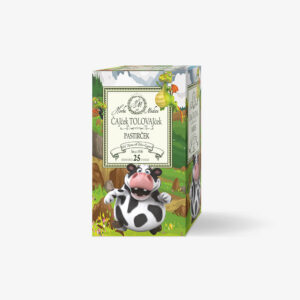
Children's, Calming, Fruit and herbal tea
Tea Thief | Shepherd 25 bags
2,65 € -
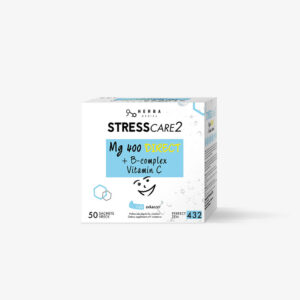
Supplements, Burnout and stress, Cognition, Natural supplements, Calming
STRESSCARE 2 | Direct Mg 400 B complex Vitamin C DIRECT, 50 sachets
25,90 € -
Energy and focus, Children's, For children, Herbal tea
Tea Thief | Braveheart 25 bags
2,65 €
Our products are also available in pharmacies, shops, and drugstores.


Frequently asked questions
How should I take ImmunoCare Nucleotides capsules and ImmunoCare Echinacea + Vitamin D3 drink for optimal results?
For optimal immune system support, take two ImmunoCare Nucleotides (222) capsules daily, one in the morning and one in the evening, with a glass of water. For ImmunoCare Echinacea + Vitamin D3 Drink (232), dissolve one sachet in water every day, preferably during the colder months or when you need extra immune support.
What ingredients are contained in ImmunoCare Nucleotides capsules and ImmunoCare Echinacea + Vitamin D3 drink?
ImmunoCare Nucleotides Capsules contain yeast from DNA/RNA nucleotides, vitamin C, and zinc, which help strengthen the immune system and support rapid immune cell division. ImmunoCare Echinacea + Vitamin D3 Drink contains Echinacea purpurea, American elderberry flowers (Sambucus nigra), organic acerola (vitamin C), selenium, and vitamin D3, which provide immunomodulation, respiratory tract defense, and protection against oxidative stress.
How long does one package of ImmunoCare last?
Each package of ImmunoCare Nucleotides Capsules (222) is sufficient for 30 days of regular use. One package of ImmunoCare Echinacea + Vitamin D3 Drink (232) provides 30 servings, which is sufficient for a whole month of use and regular immune support.
Is ImmunoCare suitable for people with dietary restrictions?
Yes, both ImmunoCare Nucleotides Capsules and ImmunoCare Echinacea + Vitamin D3 Drink are gluten-free, lactose-free, and contain no artificial additives. This product is suitable for people with dietary restrictions or anyone looking for natural immune support.
Are there any contraindications for using ImmunoCare products?
ImmunoCare products are generally safe for most individuals. However, pregnant women, nursing mothers, and individuals under the age of 18 should consult a healthcare professional before use. If you are taking other immune supplements or supplements containing Echinacea, consult a professional to avoid any potential overlapping ingredients.
How do ImmunoCare Nucleotides capsules support my immune system?
ImmunoCare Nucleotides Capsules contain nucleotides, which are essential for rapid division and signaling of immune cells. This aids immune resistance and faster recovery, reducing the duration of infections and promoting long-term immune system readiness.
How quickly will I see results with ImmunoCare?
Many users notice an improvement in immune function, reduced fatigue, and faster recovery within 1-2 weeks of regular use. ImmunoCare Echinacea + Vitamin D3 Drink can offer faster relief from respiratory infections during the colder months.
Does ImmunoCare Echinacea + Vitamin D3 Drink help prevent seasonal colds and flu?
Yes, ImmunoCare Echinacea + Vitamin D3 Drink helps modulate the immune system and strengthen the respiratory tract's defenses during colds and flu. The combination of Echinacea, Vitamin D3, and Selenium helps reduce the severity and duration of upper respiratory tract infections.
Is ImmunoCare Tea suitable for daily use?
Yes, ImmunoCare Tea (212) is designed for daily use as part of your immune system maintenance routine. The blend of wild rose, linden blossom, and thyme provides immune support and calming effects, making it ideal for the cold season.
Can I combine ImmunoCare products with other supplements or medications?
Yes, ImmunoCare products can generally be combined with other immune system supplements such as vitamin C, magnesium, or probiotics. If you are taking prescription medications or other herbal supplements, we recommend consulting with a healthcare professional to ensure compatibility.
Related Products


Scientific literature
[1] WIERTSEMA, S. P., VAN BERGENHENEGOUWEN, J., GARSSEN, J., KNIPPELS, L. M. J., The Interplay between the Gut Microbiome and the Immune System in Infectious Diseases and Nutrition’s Role in Treatment, Nutrients, Vol. 13, Issue 3 (2021), p. 886. Gut Health and Immune Responses in Infectious Diseases
[2] COX, D., The Gut Might Hold the Key to Treating Long Covid in Kids, Wired, September 27 (2024). Targeting Gut Issues to Treat Long Covid in Children
[3] GOODRIDGE, H. S., HARNETT, M. M., Introduction to Immune Cell Signaling, Parasitology, Vol. 130 (2005), pp. S3–S9. Core Mechanisms of Immune Signal Transduction
[4] NUCLEOTIDES FOR HEALTH, Nucleotides and Immunity and Gut Health, 2024. Nucleotides as Nutritional Modulators of Immune Function
HESS, J. R., GREENBERG, N. A., The Role of Nucleotides in the Immune and Gastrointestinal Systems: Potential Clinical Applications, Nutrition in Clinical Practice, Vol. 27, Issue 2 (2012), pp. 281–294. Dietary Nucleotides in Immune and Gastrointestinal Support
[5] BECK, F. W. J., et al., Changes in Cytokine Production and T Cell Subpopulations in Experimentally Induced Zinc-Deficient Humans, American Journal of Physiology, Vol. 272 (1997), pp. E1002–E1007. Zinc Status as a Determinant of T-Cell Immunity
[6] CARR, A. C., MAGGINI, S., Vitamin C and Immune Function, Nutrients, Vol. 9, Issue 11 (2017), p. 1211. Vitamin C and Immune Defense and Infection Control
Our products are also available in pharmacies, shops, and drugstores.
We are a pharmaceutical company with rich experience in formulating and manufacturing of teas and dietary supplements.
We are a pharmaceutical company with rich experience in formulating and manufacturing of teas and dietary supplements.
Knowledge is power Sign up to our newsletter
Quick links
Contact
Herba Medica, LLC
Preserska Road 5,
SI-1235 Radomlje
info@herba-medica.si
+386 (1) 562 06 03

Herba Medica is a high-tech company
for the development of teas and dietary supplements.
for the development of teas and dietary supplements.
Herba Medica is a high-tech company
for the development of teas and dietary supplements.
for the development of teas and dietary supplements.
Quick links
Contact
Herba Medica, LLC
Preserska Road 5,
SI- 1235 Radomlje
info@herba-medica.si
+386 (1) 562 06 03
Knowledge is power
Sign up to our newsletter
Herba Medica © 2024 All rights reserved | Powered by OneAboveAI
 Slovenian
  English
  French
  Bosnian
  Dutch
Dutch